
Short answer: compare the COA fields, not the product names alone. For a wholesale research purchase, keep Tirzepatide and Semaglutide in separate rows and match identity, form, method, lot, pack size, storage and document version before comparing a quote.
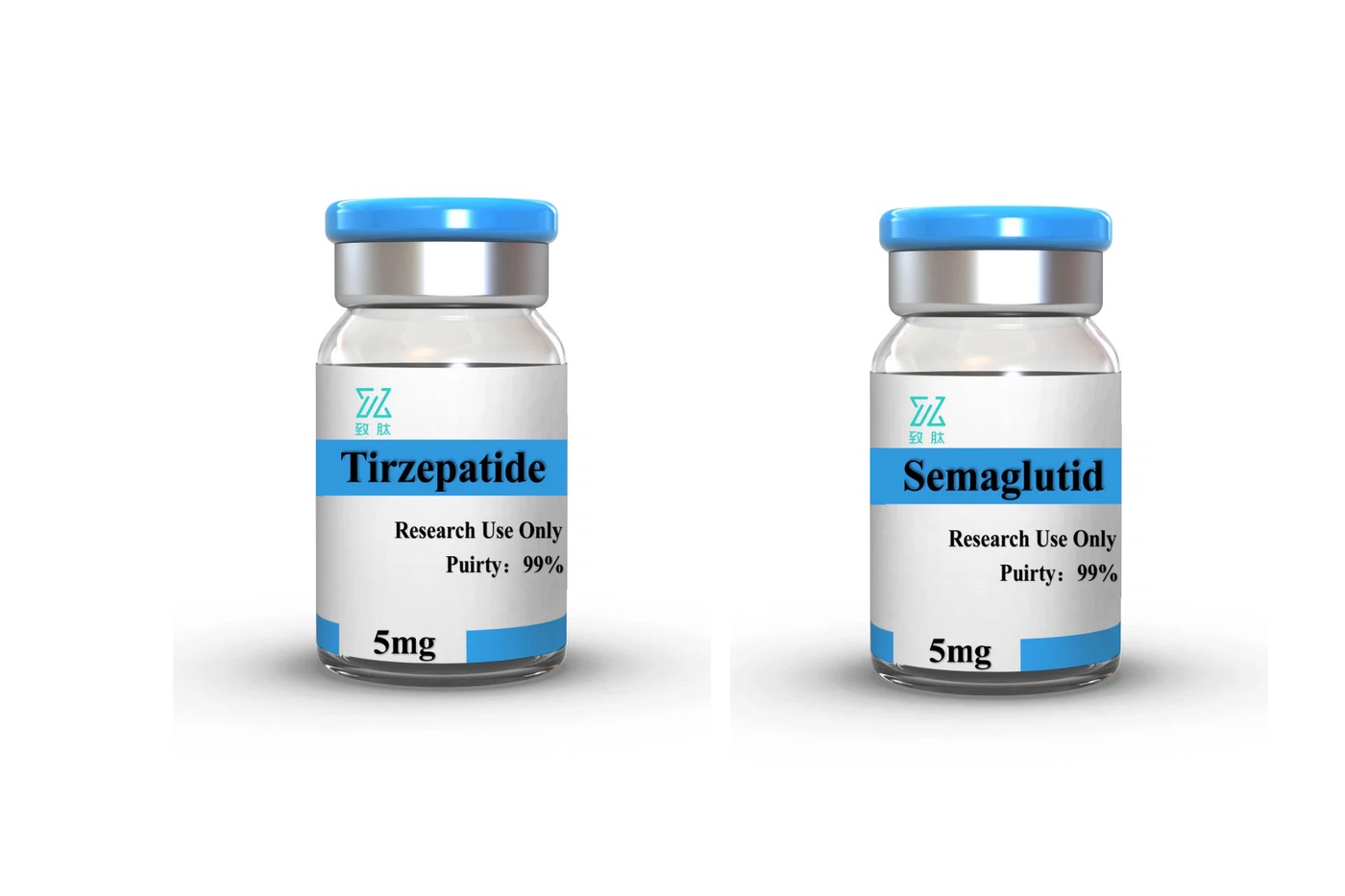
Start with the document identity
A product comparison is useful only when each document is tied to one material and one lot. Record the product name as written, the stated form or salt, the lot, the sample or test date, the report version and the supplier reference. Do not copy a result from one product into the other row simply because the formats look similar.
The Tirzepatide research-use listing and Semaglutide research-use listing are catalogue references; they do not replace a lot-specific COA. Use the COA reports page to check the document, then send any unresolved field to the B2B purchasing team.
A side-by-side comparison table
| Field | Tirzepatide row | Semaglutide row | Buyer decision |
|---|---|---|---|
| Identity | Name, form, lot and report ID | Name, form, lot and report ID | Both rows must identify the exact quoted material. |
| Method | Method, reference and result basis | Method, reference and result basis | Do not rank numbers from different bases as if identical. |
| Pack | Nominal strength and unit | Nominal strength and unit | Normalise price only after pack fields match. |
| Storage | Stated handling condition | Stated handling condition | Check the receiving plan before approval. |
| Documents | COA, label and packing record | COA, label and packing record | Keep a complete, versioned file. |
This format makes a missing field visible. It also prevents a buyer from treating a product-name comparison as a clinical or performance comparison, which this catalogue does not claim.
How to handle a mismatch
When one document is missing a field, mark the row “open” and ask a specific question. For example: “Please confirm the form, lot number, test method and net-content basis for this exact pack.” A clear question is easier to answer than “please send more information”.
- Hold the row with the missing field.
- Ask for the corrected or versioned COA.
- Match label, lot and packing record after receipt.
- Record who reviewed the answer and when.
- Only then compare freight, payment and unit economics.
For related wholesale workflows, see the purchasing FAQ, the B2B documentation blog and the lot-date checklist.
When these products must not be combined in one decision
Keep separate approvals when the form, salt, strength, method, storage requirement or document version differs. A buyer may compare commercial offers, but should not collapse unlike analytical records into one “best purity” number.
- Different method or calculation basis: request clarification.
- Different lot or label: treat as separate material.
- Missing identity or storage field: quarantine the decision.
- New document version after approval: reopen change control.
Use the research peptide catalogue for product navigation and the contact page when a quote needs a documented correction.
Buyer questions
Can I choose the lower purity number as the cheaper option?
Not safely. First confirm that the methods, forms, lots and calculation bases are comparable.
Should one COA cover both products?
No. Each quoted product and lot should have its own traceable record.
Does this comparison give medical advice?
No. It is a laboratory procurement and document-control workflow only.
Official quality reference: ICH Q7 guideline
Research-use note: this guide supports laboratory purchasing and document review only. It is not medical, dosing or treatment advice.
For a product-level decision, pair this with the 98% purity quote checklist and the lot-date and shelf-life checklist.